
How SkillPark Turns ChatGPT
Into a Learning Tool That Sticks
Students already use ChatGPT to learn. But research on the Ebbinghaus forgetting curve shows we forget most new information within days. SkillPark uses a scientifically proven review method to make knowledge stick — wrapped in a game students want to come back to.
The Student Learns Something in ChatGPT
Imagine a student asks ChatGPT:
Saved! "Mars Colonization" added to your park.
4 quiz questions created · First review in 1 day
 SkillPark
 ChatGPT gives a detailed explanation. But according to the forgetting curve — discovered by psychologist Hermann Ebbinghaus in 1885 — the student would forget most of it within days without review.
What happens behind the scenes
SkillPark's AI extracts up to 5 key concepts from the conversation — the most important, testable facts. It also creates a multiple-choice quiz question for each concept, with 1 correct answer and 3 plausible distractors. Vague or trivial concepts are filtered out automatically.
Reviews Appear at the Perfect Time
SkillPark doesn't quiz the student immediately. It uses the SM-2 algorithm — developed by Dr. Piotr Wozniak in 1987 and used by apps like Anki — to schedule reviews at the exact moment the student is about to forget.
This works because of two well-established findings in cognitive science: the testing effect (actively recalling information strengthens memory far more than re-reading) and the spacing effect (spreading reviews over increasing intervals forces the brain to rebuild the memory trace each time, making it more durable). Together, they are far more effective than cramming — which may work the night before an exam but leaves almost nothing in long-term memory.
The Forgetting Curve vs. Spaced Review
Without review, memory drops to ~5% within 30 days. Most of what a student learns in ChatGPT is forgotten within a week.
The Student Answers a Quiz
When a review is due, the student opens ChatGPT and gets a multiple-choice question. Here's what it looks like:
Why is Mars considered the most viable planet for human colonization?
Mars has a 24.6-hour day cycle, water ice at its poles, and a thin atmosphere that could potentially be thickened — making it far more viable than Venus or the gas giants.
What Happens After Each Answer
This is the key to why spaced repetition works. The system adapts to the student:
Correct Answer
- Next review pushed further out (1 day → 3 → 8 → 22 → months)
- Earn 10-20 bricks (depends on pickaxe tier)
- Earn 15 XP toward leveling up
- Concept gets stronger — harder to forget
Wrong Answer
- Review resets to tomorrow — come back sooner
- The correct answer is shown with an explanation
- No bricks earned — only correct answers build
- Still earns 5 XP — effort is rewarded, not punished
Why this matters: The student never needs to decide what to study or when. The algorithm handles scheduling. They just show up, answer questions, and the science ensures the right concepts come back at the right time. After 4-5 correct reviews, a concept moves to long-term memory — intervals stretch to months.
The Game Makes Them Come Back
Spaced repetition only works if the student actually reviews. That's the hard part. SkillPark solves this with a progression system grounded in self-determination theory — the idea that motivation thrives when students feel autonomy, competence, and visible progress. Every review session feeds that loop:
Bricks Build Buildings
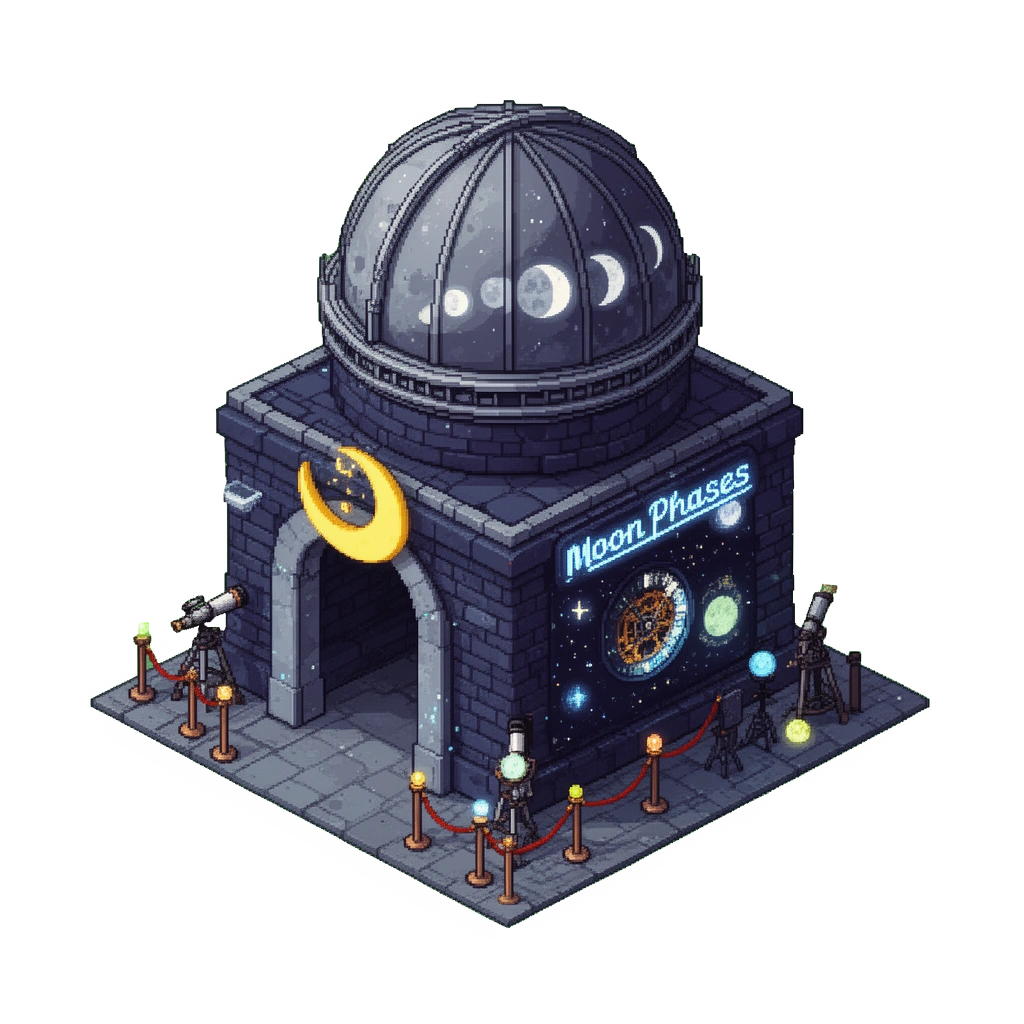
Every correct answer earns bricks. Bricks accumulate on the topic's building. As buildings collect more bricks, they evolve through 4 tiers:

Common
Start
Rare
200 bricks

Epic
1,000 bricks

Legendary
3,000 bricks
Each tier upgrade generates unique AI-generated art for the building — so every student's park looks different.
Streaks Multiply Rewards
Reviewing every day builds a streak. Longer streaks mean bigger XP multipliers:
Missing one day uses a forgiveness. Missing two days resets the streak — encouraging consistency without harsh punishment.
Better Pickaxe = More Bricks
Active students earn a better pickaxe, which mines more bricks per correct answer. Miss days and the pickaxe degrades — a gentle nudge to stay consistent.
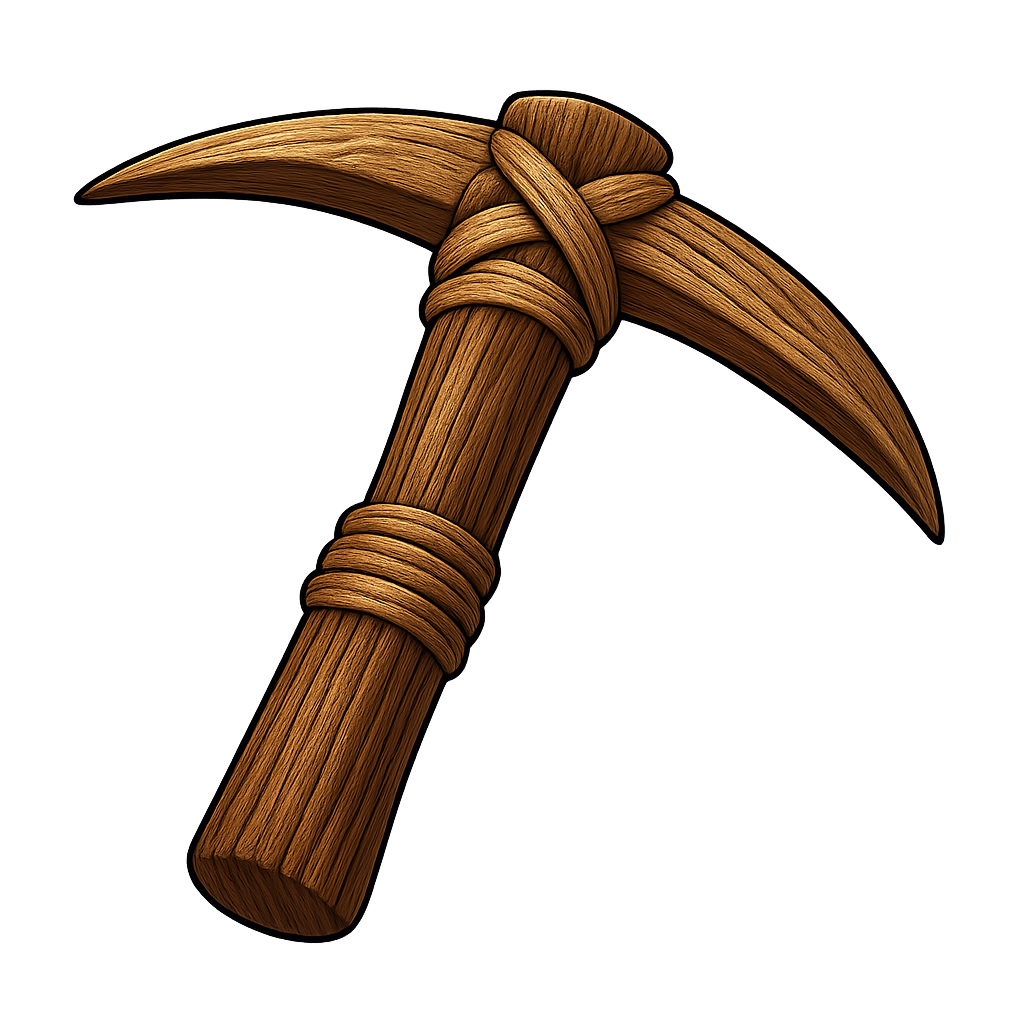 Wood 10/review
 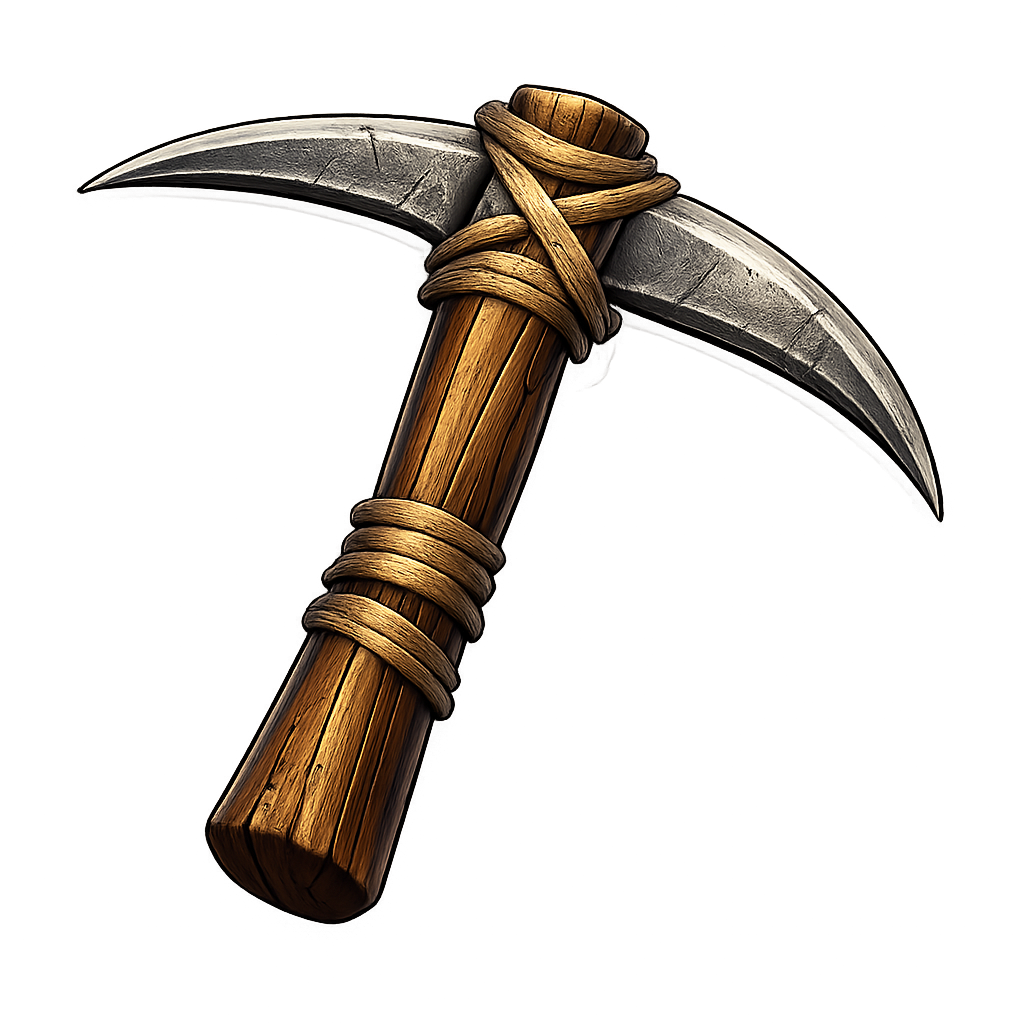 Stone 12/review
 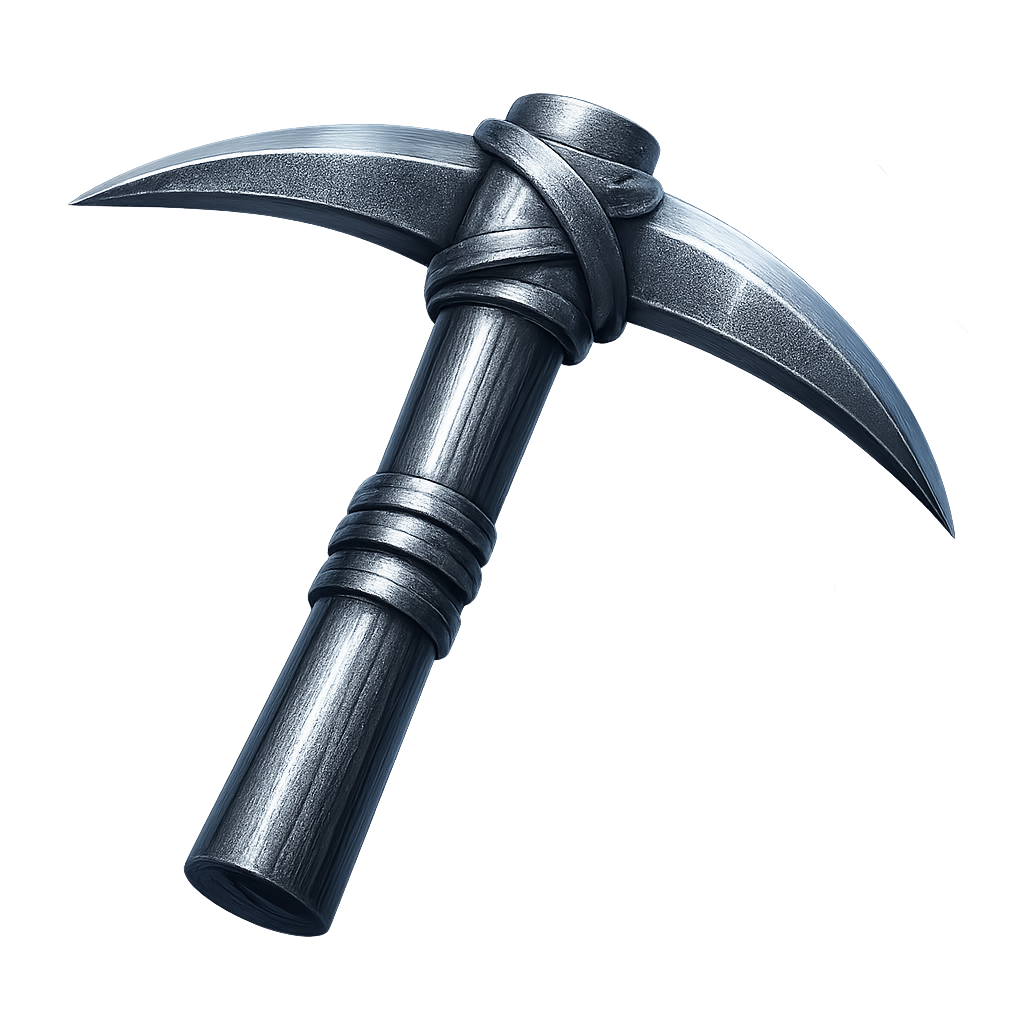 Iron 15/review
  Gold 18/review
  Diamond 20/review
 Why This Works for Students
Proven by research
Built on the forgetting curve (Ebbinghaus, 1885), the testing effect, and the spacing effect — among the most replicated findings in cognitive psychology. No cramming, no re-reading.
Intrinsically motivating
Students see their park grow. Buildings evolve. Streaks build. It feels like progress, not homework — keeping them engaged where traditional flashcards fail.
5 minutes a day
A daily review takes under 5 minutes. The SM-2 algorithm decides what to review and when — the student just shows up and answers.
Free forever · No credit card · Works with any ChatGPT account